The three a.m. page
A quiet deploy, a pool set to 4 and fourteen minutes of slow checkouts. This is a story. The company, the people and the numbers are invented.
Fiction. Nothing here happened.
03:07, a quiet deploy
#At Orrisdale Rail, nobody notices a deploy that goes well. At 03:07 on a Tuesday, a scheduled release of ledger-worker went out. The pipeline was green. The release notes mentioned a cleanup of old config. Nobody was watching, because nobody needed to.
One line of that cleanup was a typo. The database pool for ledger-worker went from 40 connections to 4.
For about five minutes, nothing looked wrong. Four connections is enough for a quiet night. Then the overnight settlement batch started, requests began to queue, and the queue began to push back on everything that talked to it.
03:12, the page
#The alert came from checkout-api, which hadn’t changed in six days. The 99th percentile latency had passed 2.4 seconds and stayed there. Fourteen alerts fired together and were grouped into one incident, INC-2291, severity 2, because checkout availability was burning its error budget.
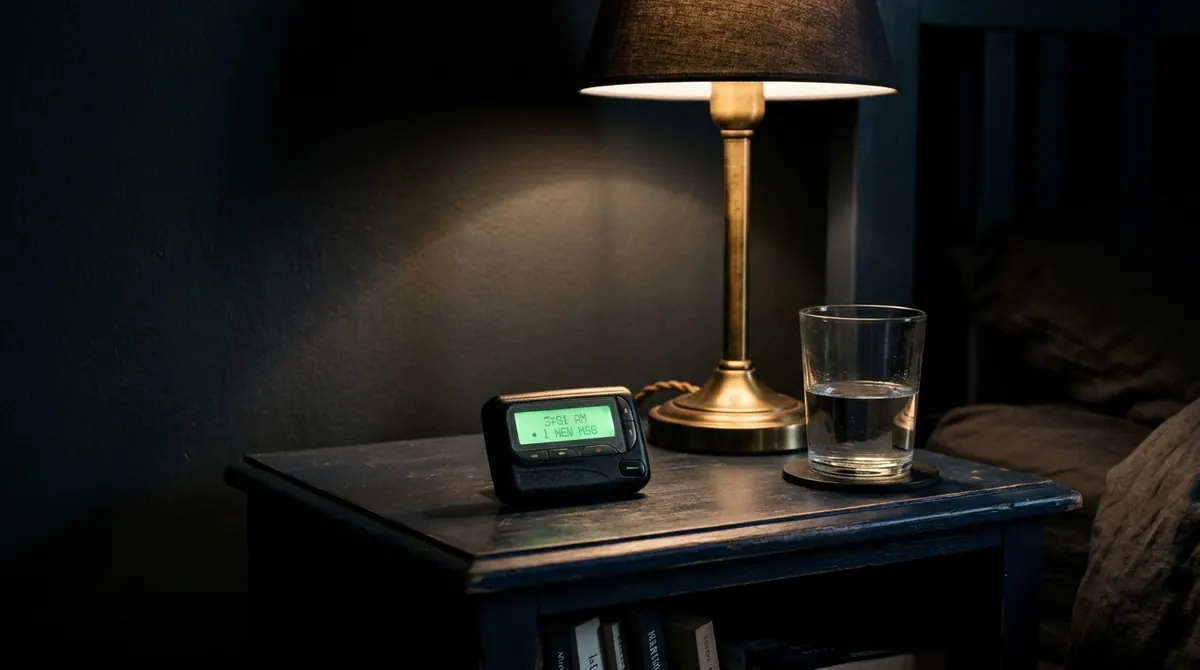
Dana, the engineer on call, got the page on her phone. She had been asleep for three hours. She sat up, found her glasses, and opened the incident before she had found her laptop.
Ballast had opened it first.
03:14, what it checked
#The incident page already had a list. At the top was the error rate on checkout-api, up from 0.2% to 6.8% at 03:09. Under it, a deploy of ledger-worker at 03:07. Under that, 1,284 log lines reading “connection timeout after 30000 ms”, and a payments-events queue 40 times deeper than normal.
One item was crossed out: checkout-api unchanged for six days, ruled out. Dana noticed that line first. It saved her the usual twenty minutes of looking in the wrong place.
The causal chain sat below the list in four small boxes. Deploy, pool from 40 to 4, retries, slow checkout. Each box linked to the line or graph it came from. Dana clicked the second one and saw the config diff from the release.
She said the cause out loud to the empty room, to check it. It held.
03:19, the fix
#Ballast proposed one change. Set max_connections back to 40 in a single file, and keep the rollback to v411 ready. It listed the blast radius: ledger-worker, three replicas, no schema change, no other service touched.
It did not ship the change. It ran it first. The fix went to staging with ten minutes of replayed checkout traffic. The 99th percentile latency dropped from 2.6 seconds to 0.9. Error rate fell to 0.1%. Twelve of twelve checks passed.
Dana read the diff twice. It was one line. She had expected it to be bigger, and that made her slow down, not speed up. She checked the rollback target, then checked it again.
03:21, approved
#She approved the fix at 03:21. The rollout reached the three replicas in under two minutes, and the queue started to drain. Checkout latency was back inside its objective at 03:26. In total the SLO had been broken for fourteen minutes.
Dana did not go back to sleep. She watched the graphs for a while, which is what everyone does.
The morning after
#When she opened her laptop at eight, the postmortem draft was waiting. It had a timeline built from what Ballast had actually read and done, a short cause statement, and three action items. The first was to add a pool-size check to deploy review. Each item had one owner.
She corrected one sentence, moved one action item to a teammate, and added a note about the settlement batch. Then she wrote the line that mattered most to her: the deploy pipeline accepted a 90% drop in pool size without comment. The fix was a one-line change to a file. The lesson was that a green pipeline can still ship a bad number.
That afternoon the team added the check. A few weeks later it caught a different typo, in a different service, before the release went out.
Ballast is fictional, and so is this night. The failure is real enough: a small change, a green pipeline, and a quiet queue that isn’t quiet for long.